
The Botanical
Intelligence of Produce
An analytical journal documenting the intersection of plant biology and weight management. We examine the structural complexity of vegetables and fruits to understand their role in human satiety and metabolic regulation.
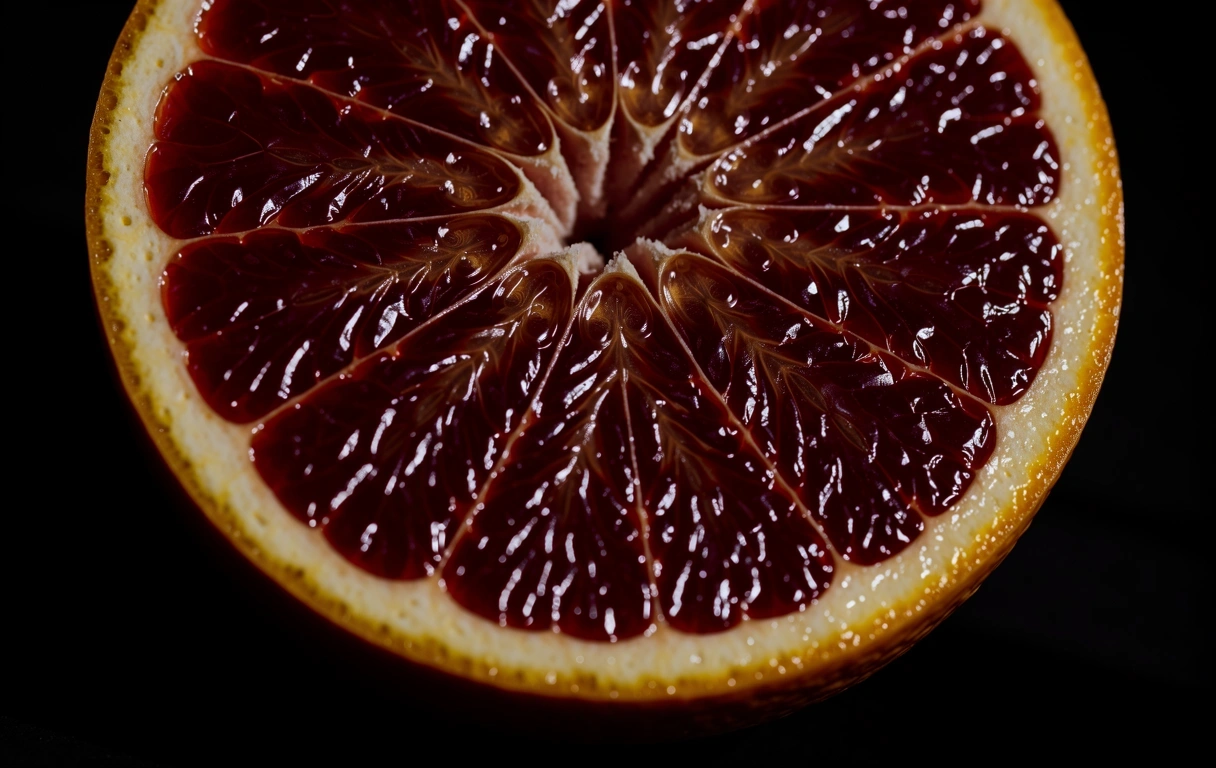
Soluble Fiber: 2.1g/100g
Bio-Availability: High
Bibliographic Record
Index of Seasonal & Botanical Research
Focusing on high-density greens that manage hedonic hunger. These specimens are analyzed for their ability to suppress pleasure-based cravings through sustained physiological satiety.
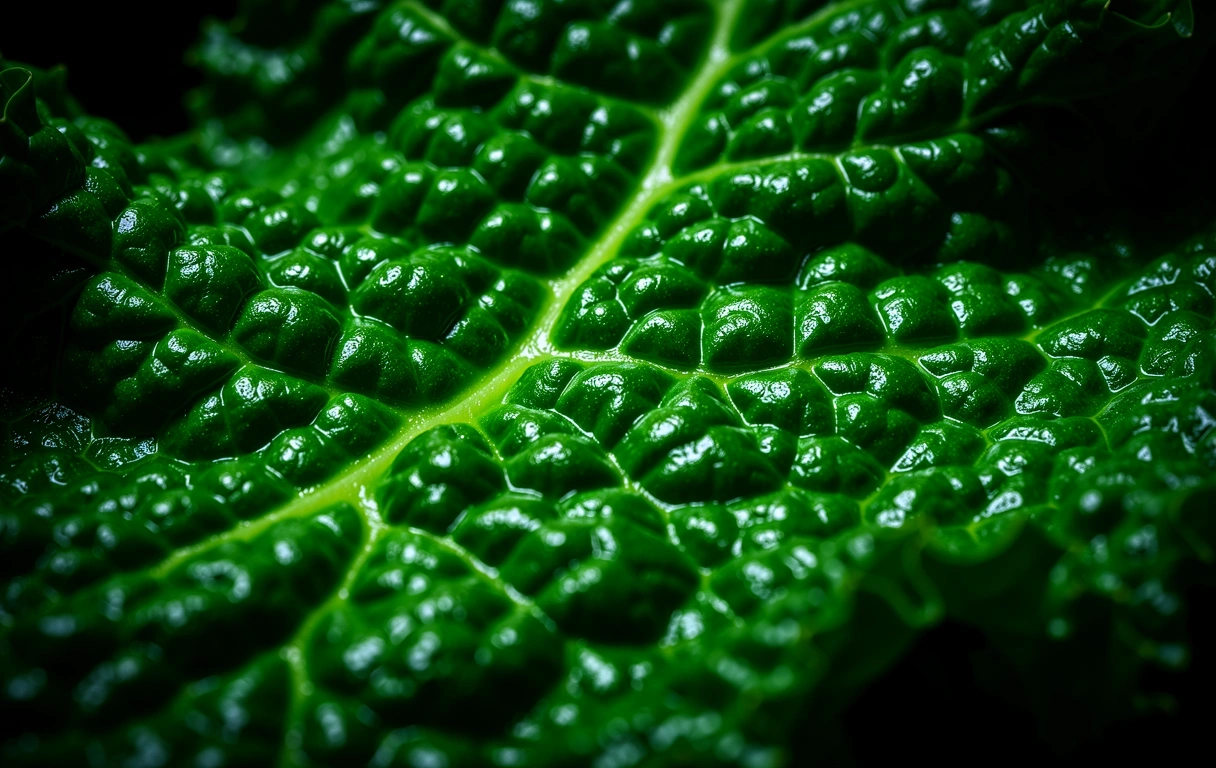
Analyzing the thermic effect of food (TEF) in relation to the complex cellular walls of cauliflower and broccoli.
Research into the metabolic benefits of water-dense fruits and their impact on early satiety signals in the brain.

The Artichoke Paradox:
Natural Appetite Suppression
Native to the Mediterranean basins of Italy, the artichoke is more than a culinary staple; it is a structural marvel of dietary fiber. Its complex carbohydrate matrix, specifically inulin, bypasses early digestion to nourish the gut microbiome.
For those navigating weight management, the artichoke provides a "mechanical hurdle"—it requires slow, deliberate consumption. This physical engagement, paired with high fiber density, synchronizes gastric distension with brain signaling, preventing the overconsumption common in processed diets.
"The bitter compounds found in seasonal artichokes and fennel are nature's metabolic triggers—essential for digestive efficiency."READ FULL DOSSIER
Volume-to-Calorie Variance
A comparative study of leafy vegetables and fruit density. Metrics established per 100g raw specimen to determine efficiency in dietary weight management.
| Specimen | Kcal/100g | Fiber (g) | Water (%) | Efficiency Score |
|---|---|---|---|---|
| Wild Spinach (Raw) | 23 | 2.2 | 91% | 9.4/10 |
| Red Currants | 56 | 4.3 | 84% | 8.1/10 |
| Fennel Bulb | 31 | 3.1 | 90% | 8.9/10 |
| Grapefruit (Pulp) | 42 | 1.6 | 88% | 7.4/10 |
The Fiber-Water Ratio
& Metabolic Satiation
Weight management is often reduced to caloric mathematics, yet this ignores the critical biological role of food structure. Our research emphasizes the intrinsic bond between fiber and water—a relationship that determines how the body perceives fullness.
Mechanism: Gastric Distension
When whole fruits and vegetables are consumed, the plant-cell walls (fiber) retain high water volumes. This bulk creates early and sustained pressure on gastric walls, triggering the vagus nerve to signal satiety to the hypothalamus before excess energy is ingested.
Cruciferous vegetables—broccoli, cabbage, kale—demand higher chewing time, which naturally slows the pace of consumption. This "mechanical regulation" allows metabolic markers like leptin time to rise, creating a natural threshold for intake.
By prioritizing seasonal produce from local markets, such as those found throughout Italy, we align our biology with chrononutrition—the science of matching eating habits with the body's internal clock and seasonal needs.

Methodology Note
Our analysis prioritizes hydration-to-satiety ratios in all plant-based recommendations, based on established caloric density research.
Request Custom Analysis
Professional Editorial Consultations
Seasonal Observation
Curated Harvest Specimens
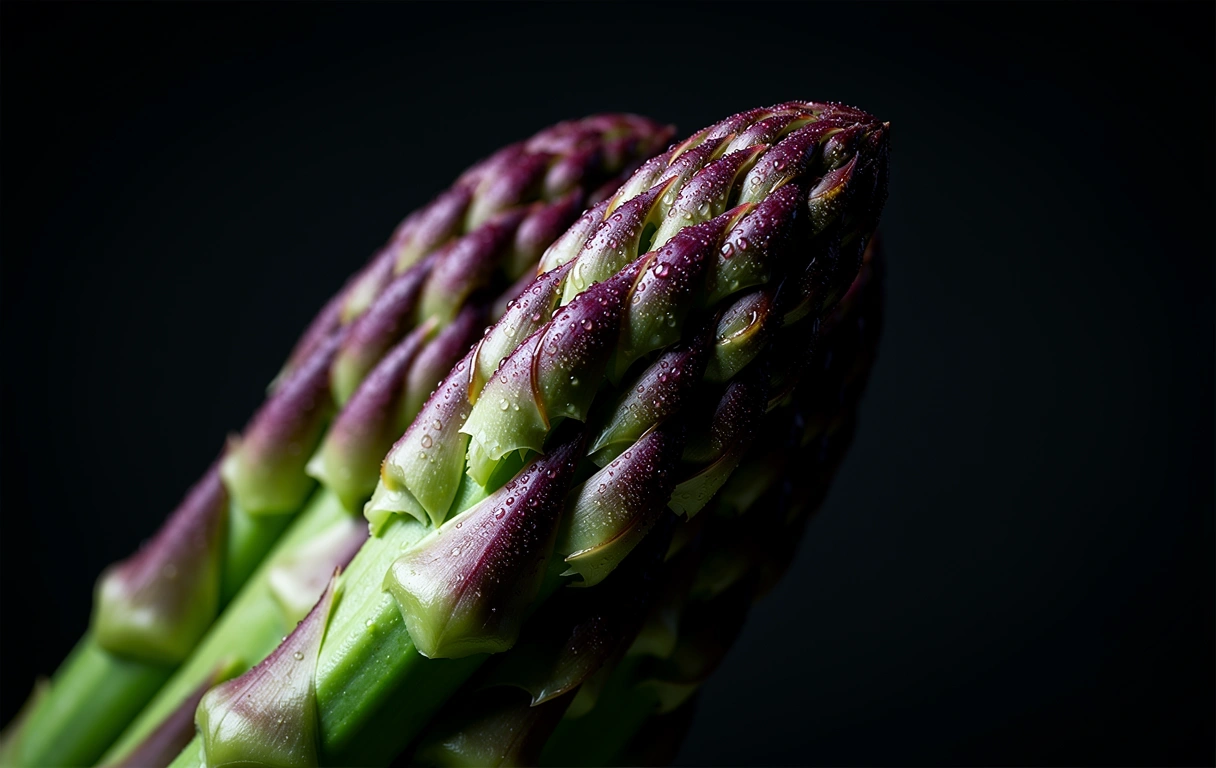
Wild Asparagus
Highly effective for water regulation and metabolic flushing due to asparagine content.

Pomegranate Arils
Polyphenol-rich seeds that assist in oxidative stress management during activity.

Crisp Radish
High mechanical chewing demand with negligible energy density. Perfect for appetisers.